WHAT IS CLIMATE CHANGE?
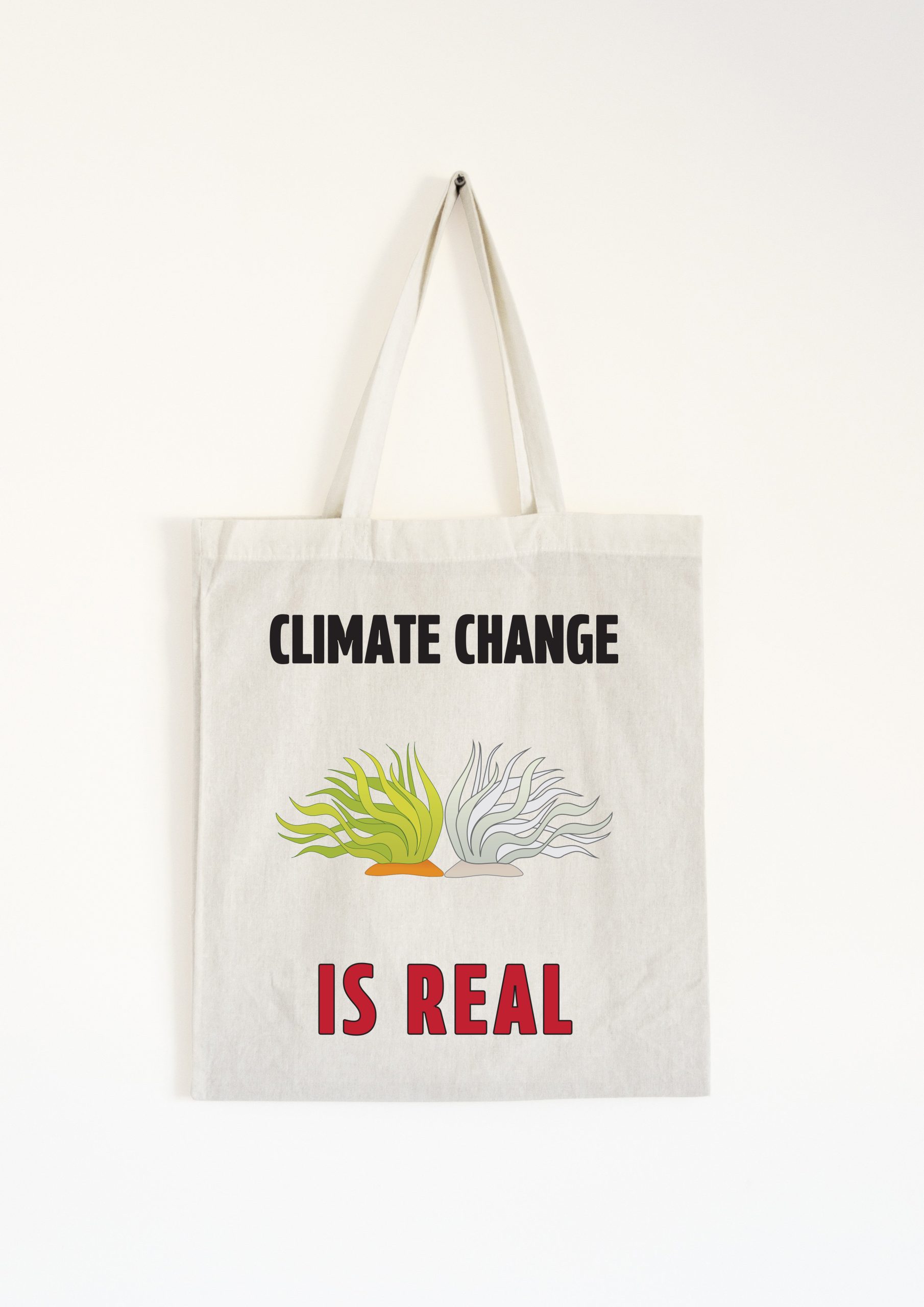
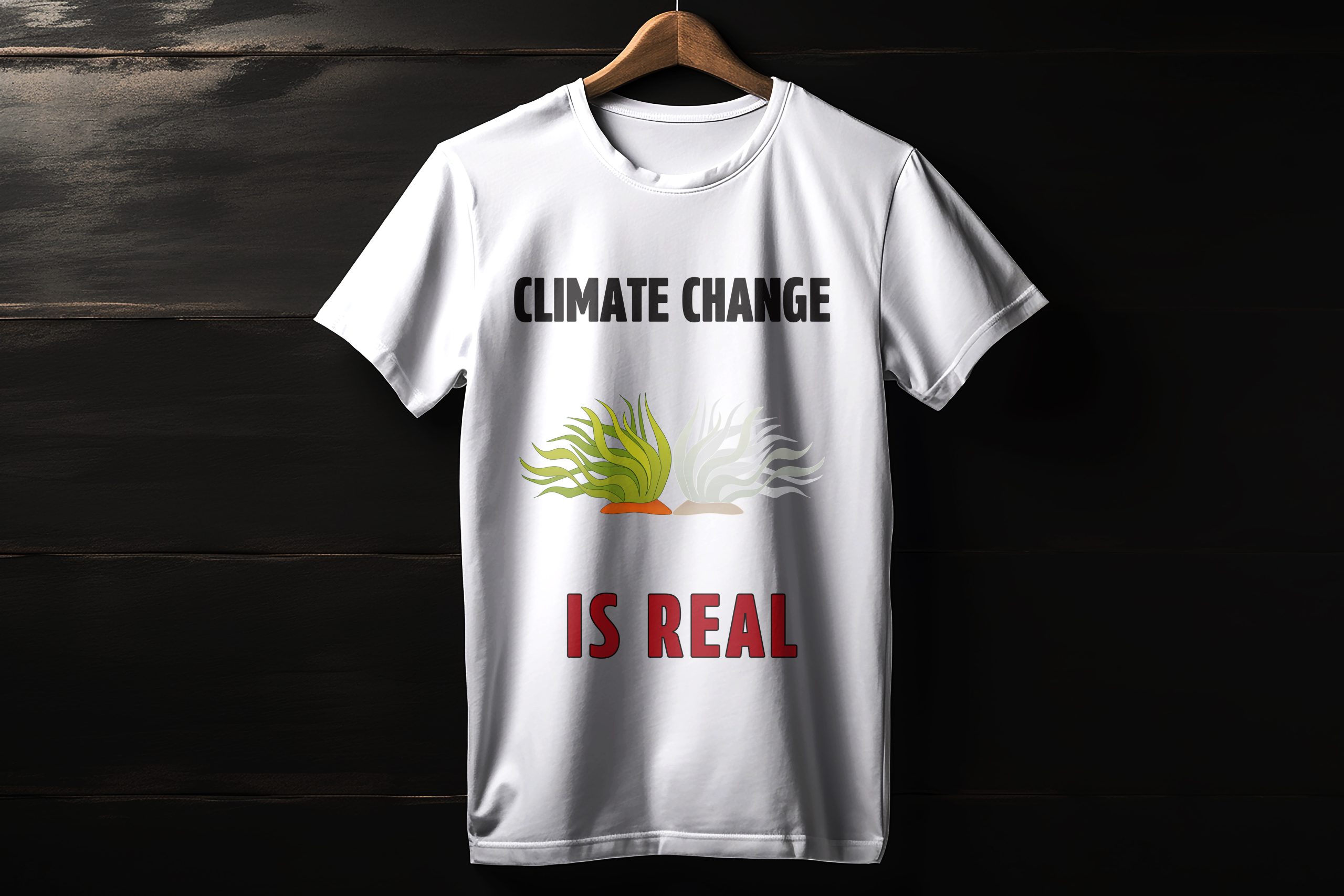
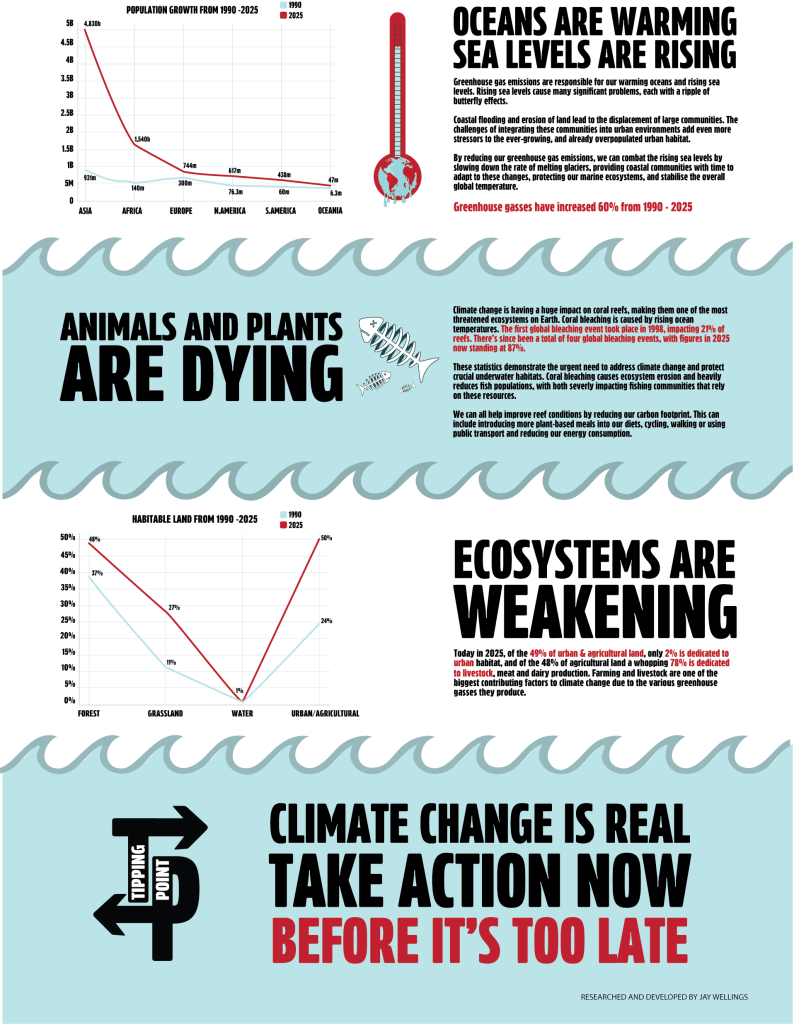
Climate change can present itself in a number of ways such as coral bleaching, rising sea levels, ocean acidification, loss of food sources, weakening ecosystems, loss of coastal habitats, animal and plant extinction, decreased water and air quality, extreme weather changes, thawing permafrost, greenhouse gasses, loss of land mass & deforestation.
WHAT ARE THE EFFECTS OF CLIMATE CHANGE?
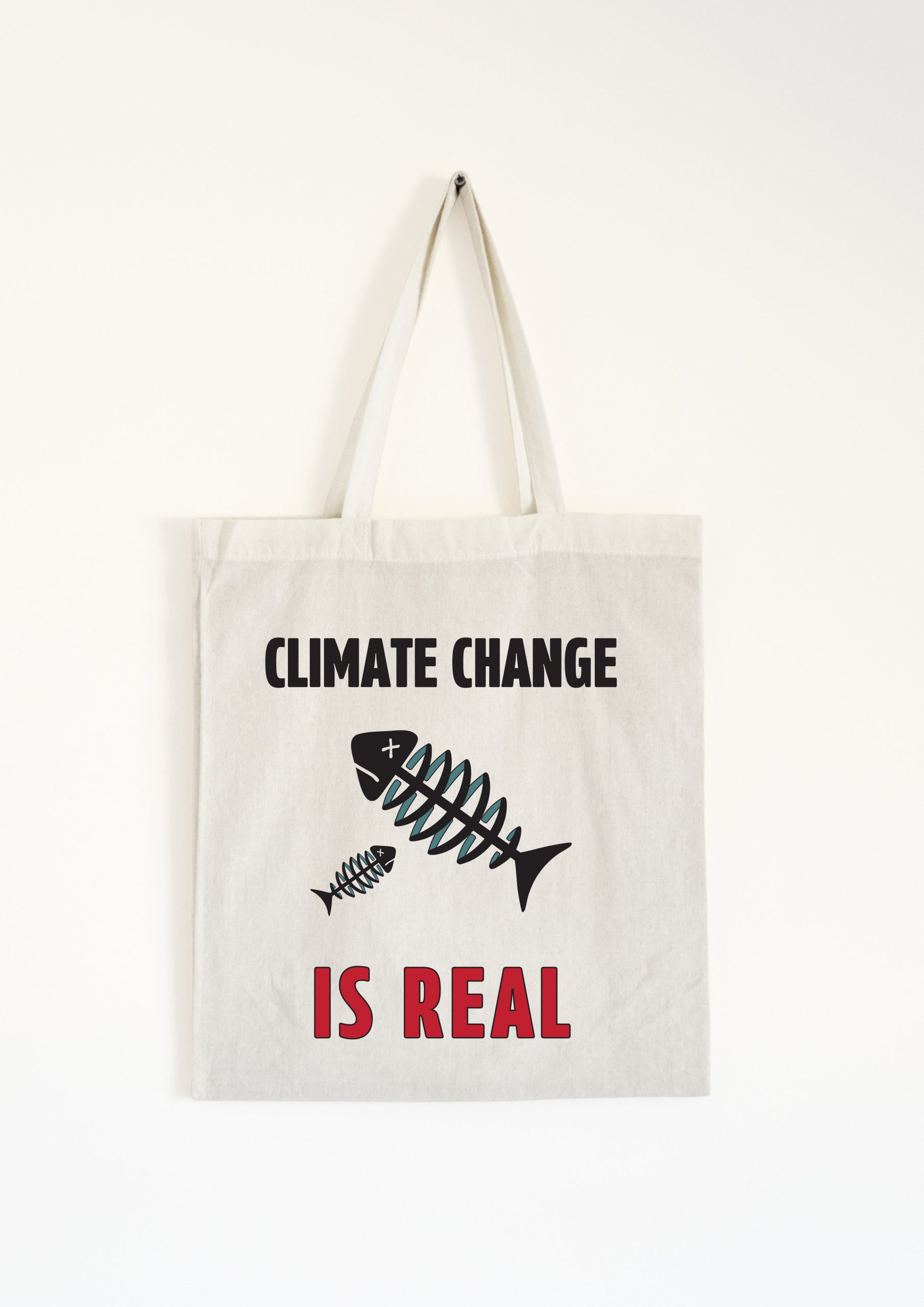
Losing plant species creates a dangerous domino effect as it drives a loss of animal diversity. It makes ecosystems even more vulnerable to climate change, extreme weather, and puts human health and the entire food chain at risk.
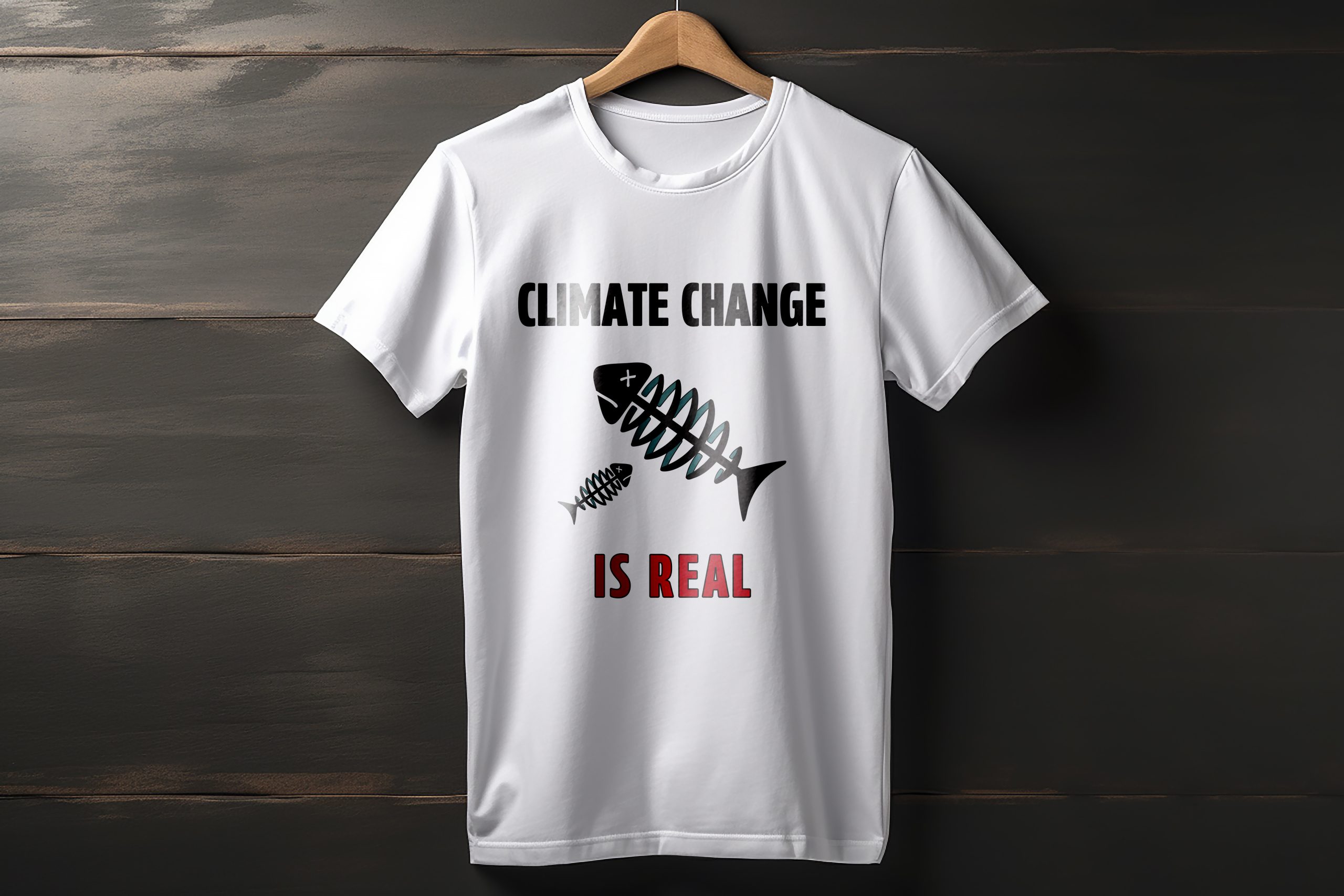
The world wildlife fund (WWF) studied 5,200 species of animals & reports that out of 32,000 populations analyzed, there’s a decline of 69% since 1970. 2.5% of mammals, fish, reptiles, birds & 2.5% of mammals, fish, reptiles, birds & amphibians have already gone extinct.
Permafrost releases greenhouse gasses as it thaws, organic plant matter decomposes and releases methane & carbon dioxide into the atmosphere.
The world wildlife fund (WWF) studied 5,200 species of animals & reports that out of 32,000 populations analyzed, there’s a decline of 69% since 1970. 2.5% of mammals, fish, reptiles, birds & 2.5% of mammals, fish, reptiles, birds & amphibians have already gone extinct.
Permafrost releases greenhouse gasses as it thaws, organic plant matter decomposes and releases methane & carbon dioxide into the atmosphere.
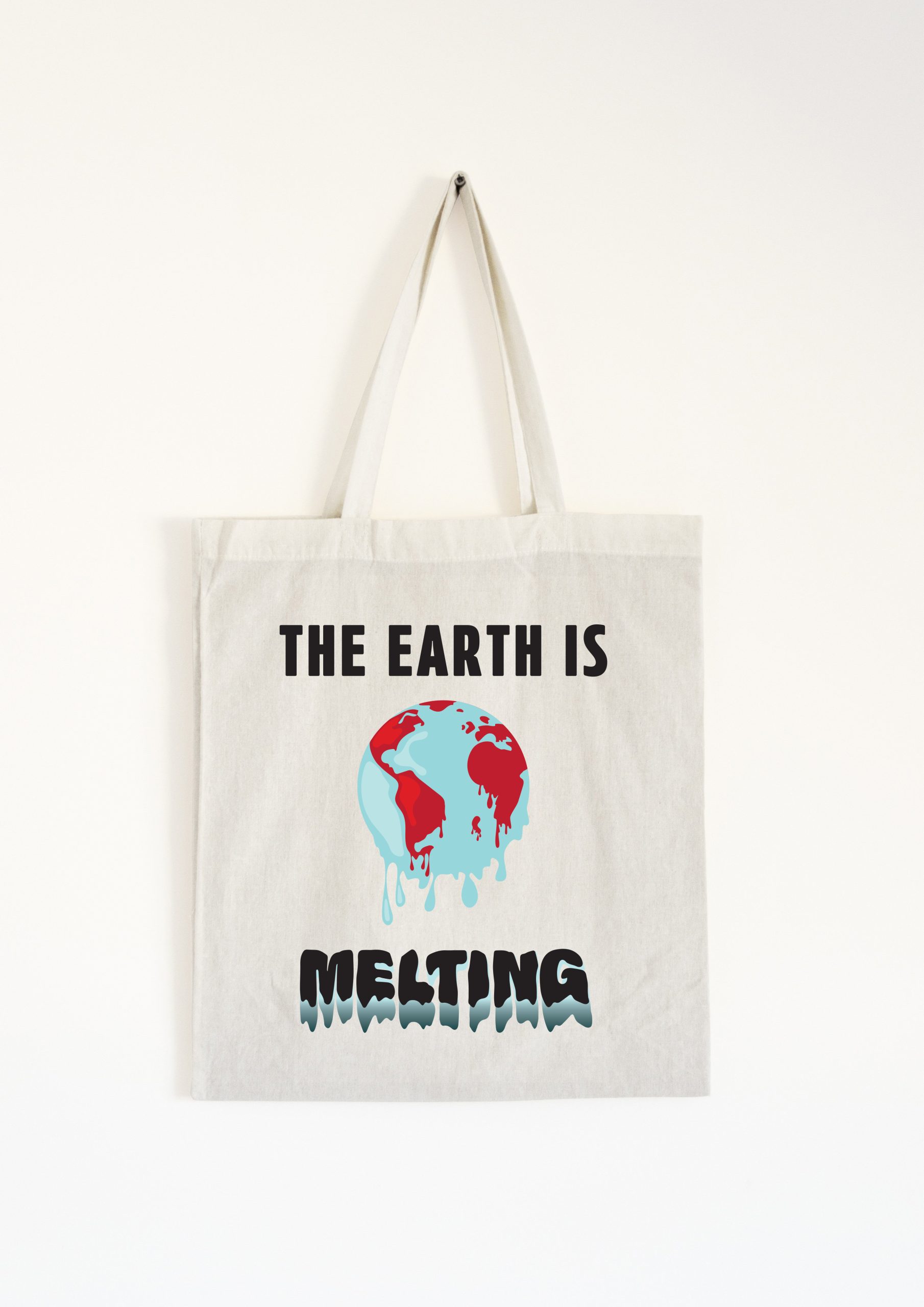
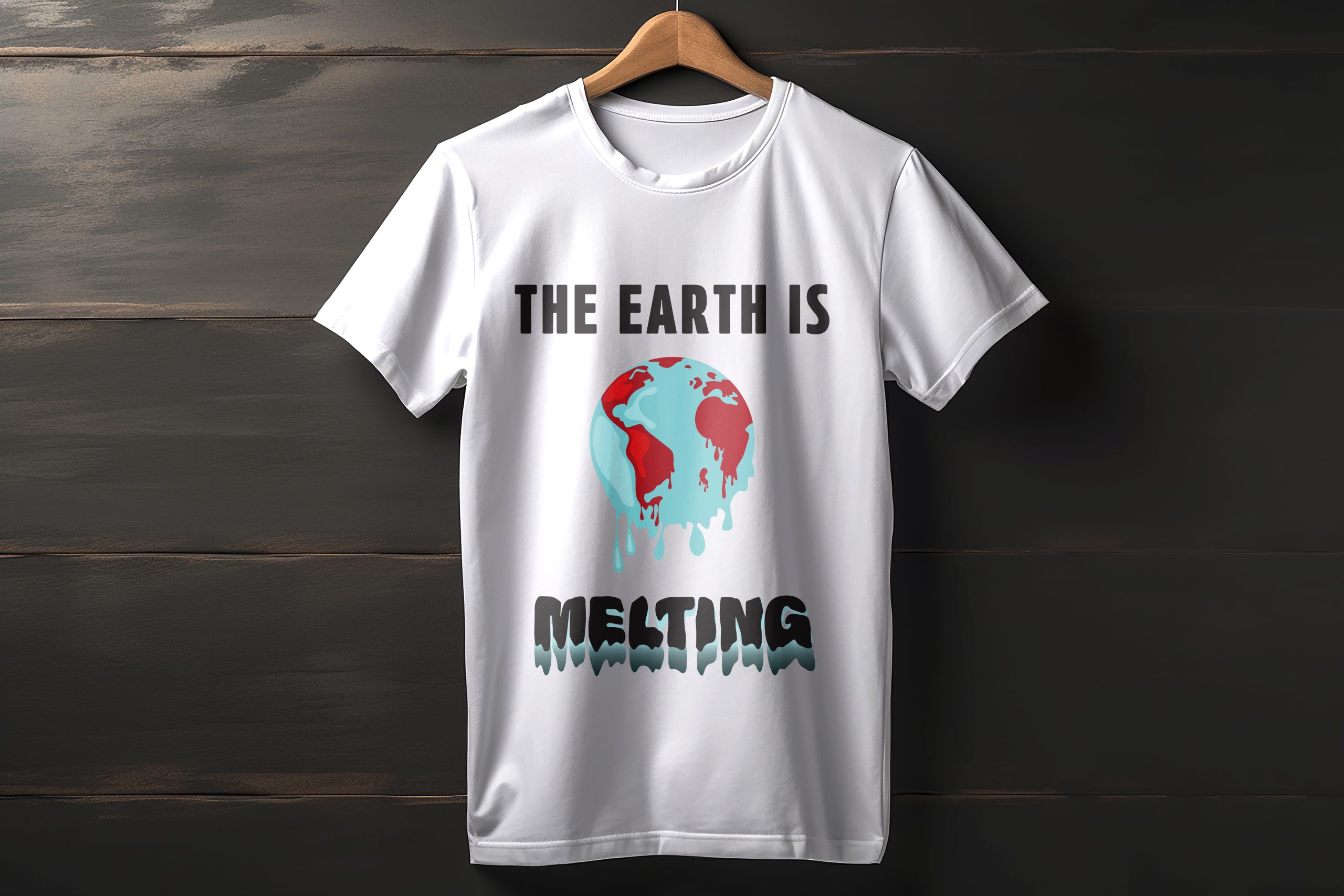
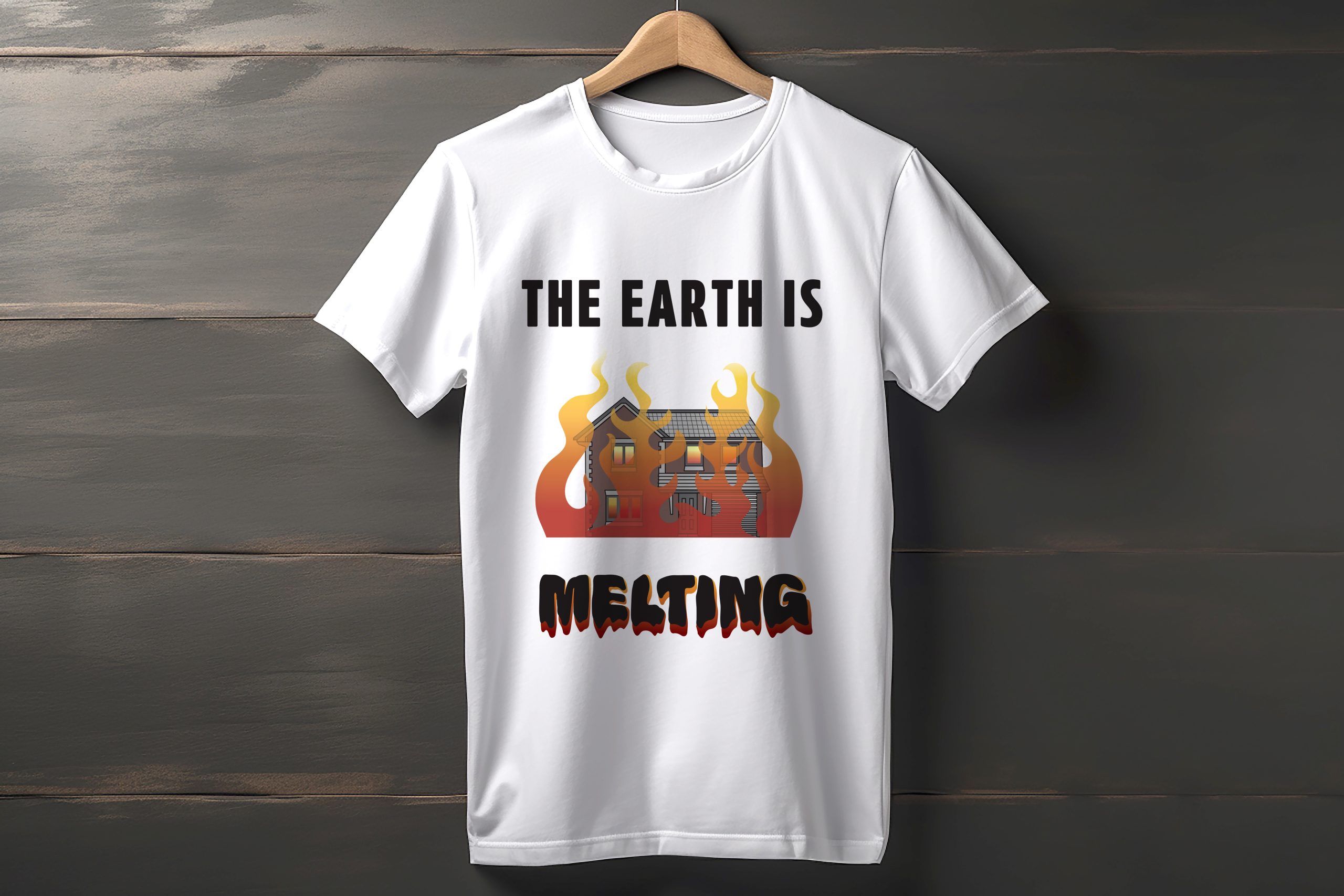
It can damage infrastructure of vegetation, roads, buildings and entire communities. It weakens ecosystems and can cause lakes to dry up and disappear. As polar ice caps are melting we lose arctic sea ice at a rate of almost 13% per decade. Over the past 30 years, the oldest and thickest ice in the arctic has declined by a whopping 95%.
We can preserve permafrost by reducing our carbon footprint everyday choices like reducing your carbon footprint, investing in energy-efficient products & supporting climate-friendly businesses can help preserve permafrost to help coral reefs, we can reduce greenhouse gas emissions and establish marine protected areas.
Reducing resource consumtion, adopt sustainabile sourcing for agriculture, reducing food waste, combat illegal fishing logging & trafficing of wildlife, introduction of new policies & legislations. Working together for future generations.
Greenhouse gasses can be reduced if we worked together to introduce the below:
– Choose to invest in clean energy sources such as solar, wind and hydro power.
– Promote sustanable agriculture practices and land management.
– Prevent deforestation & invest in treeplanting to absorb co2 and restore ecosystems.
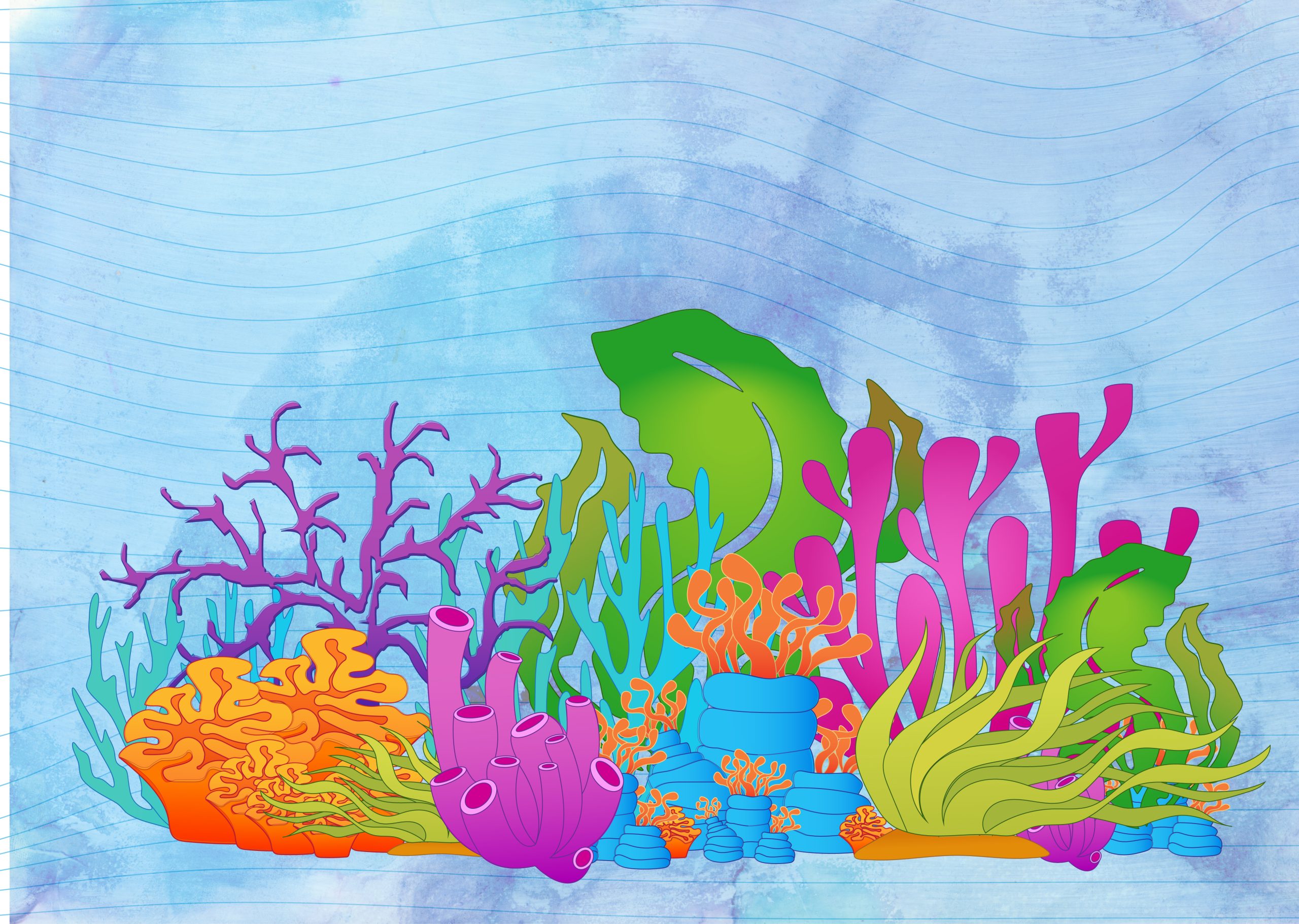
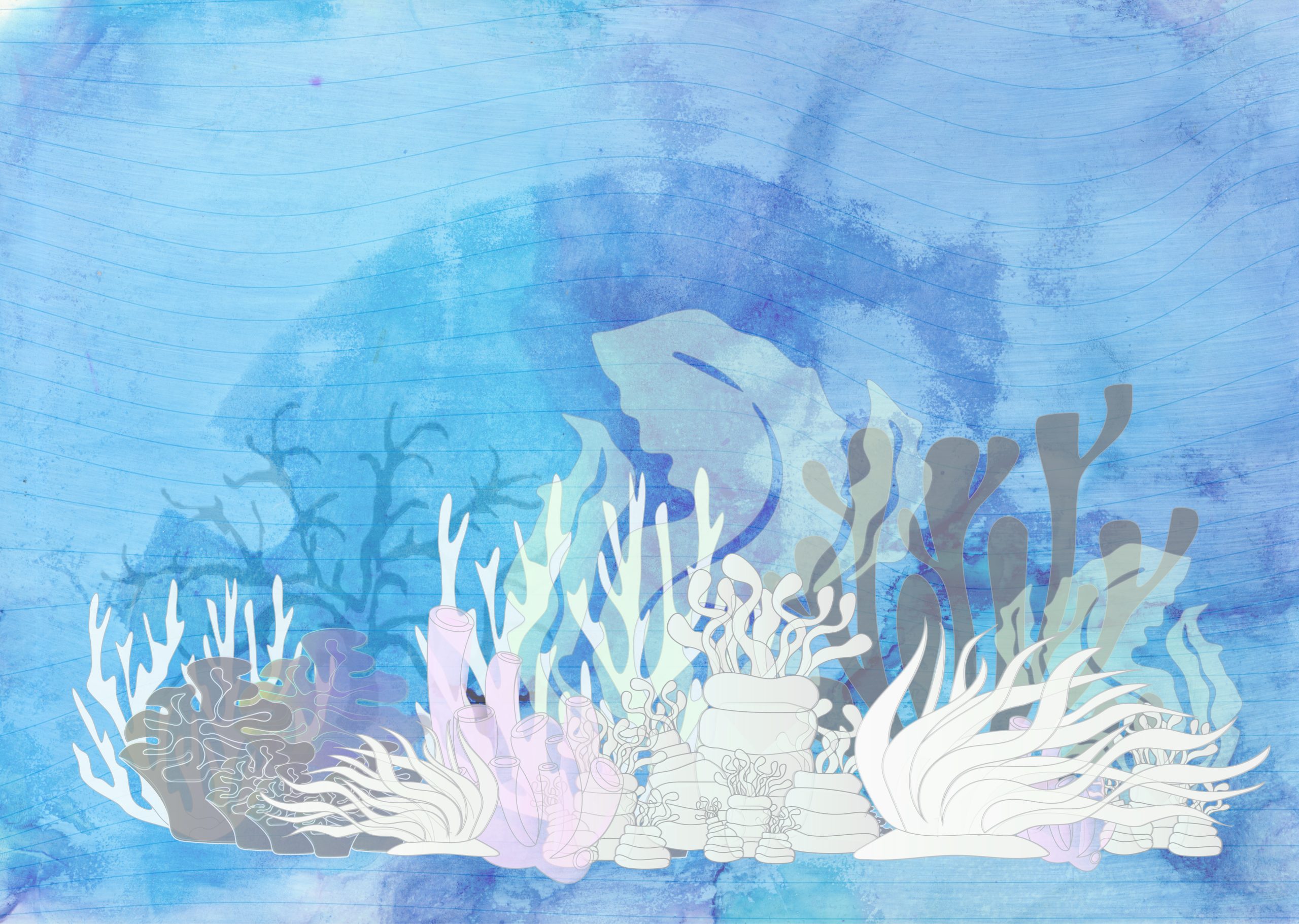
We can protect animal & plant extintion by preserving, restoring and creating new habitats.
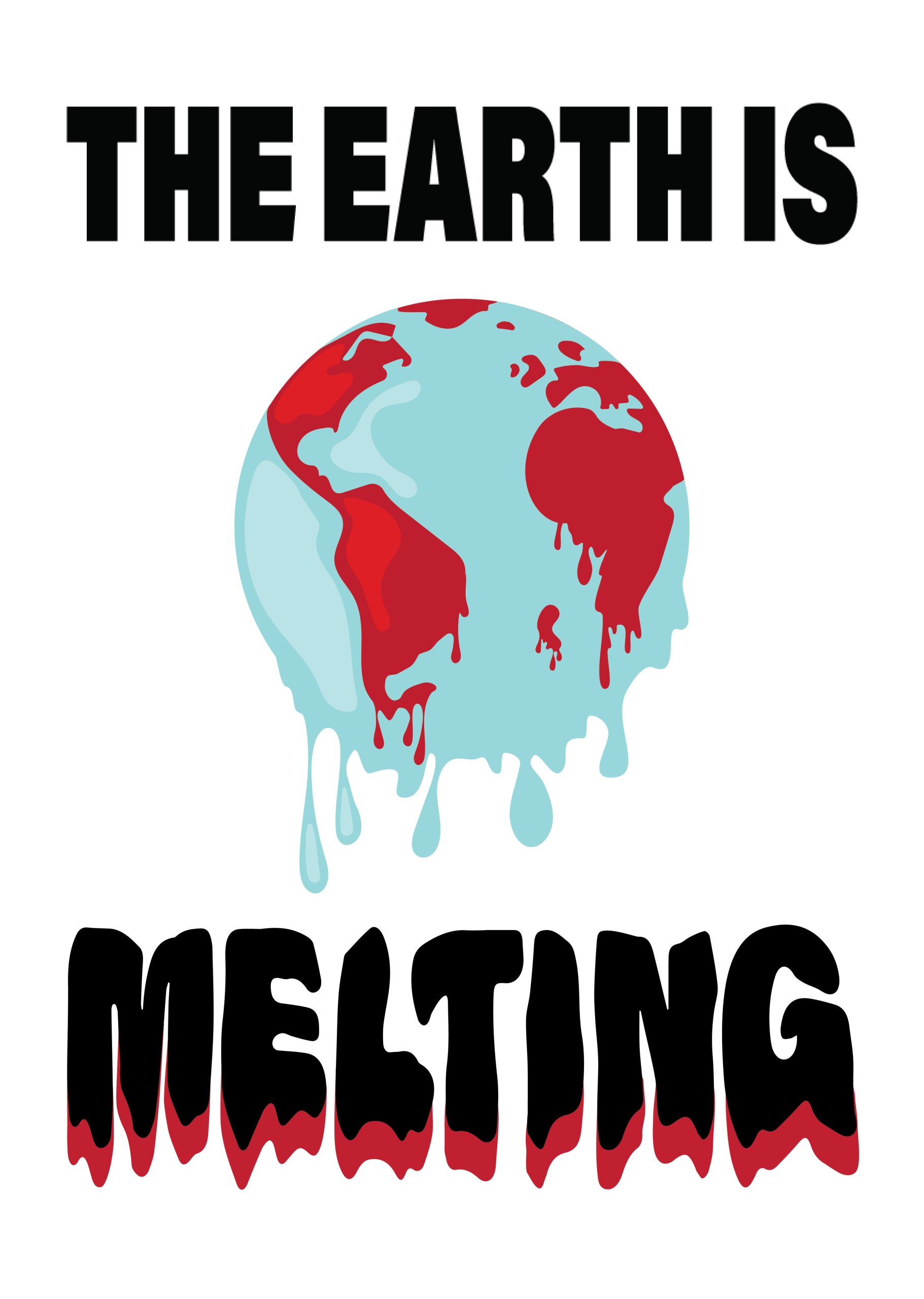
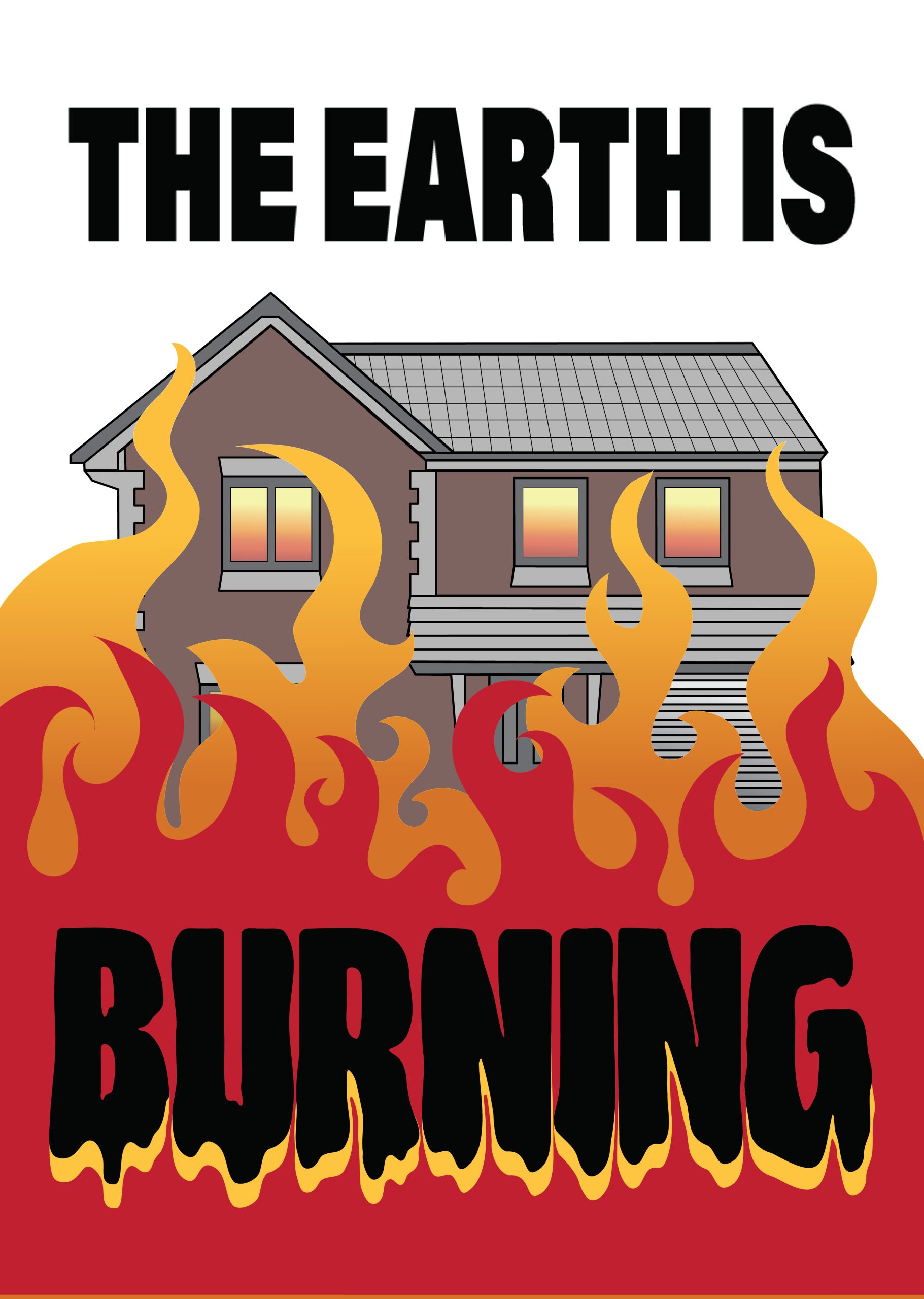
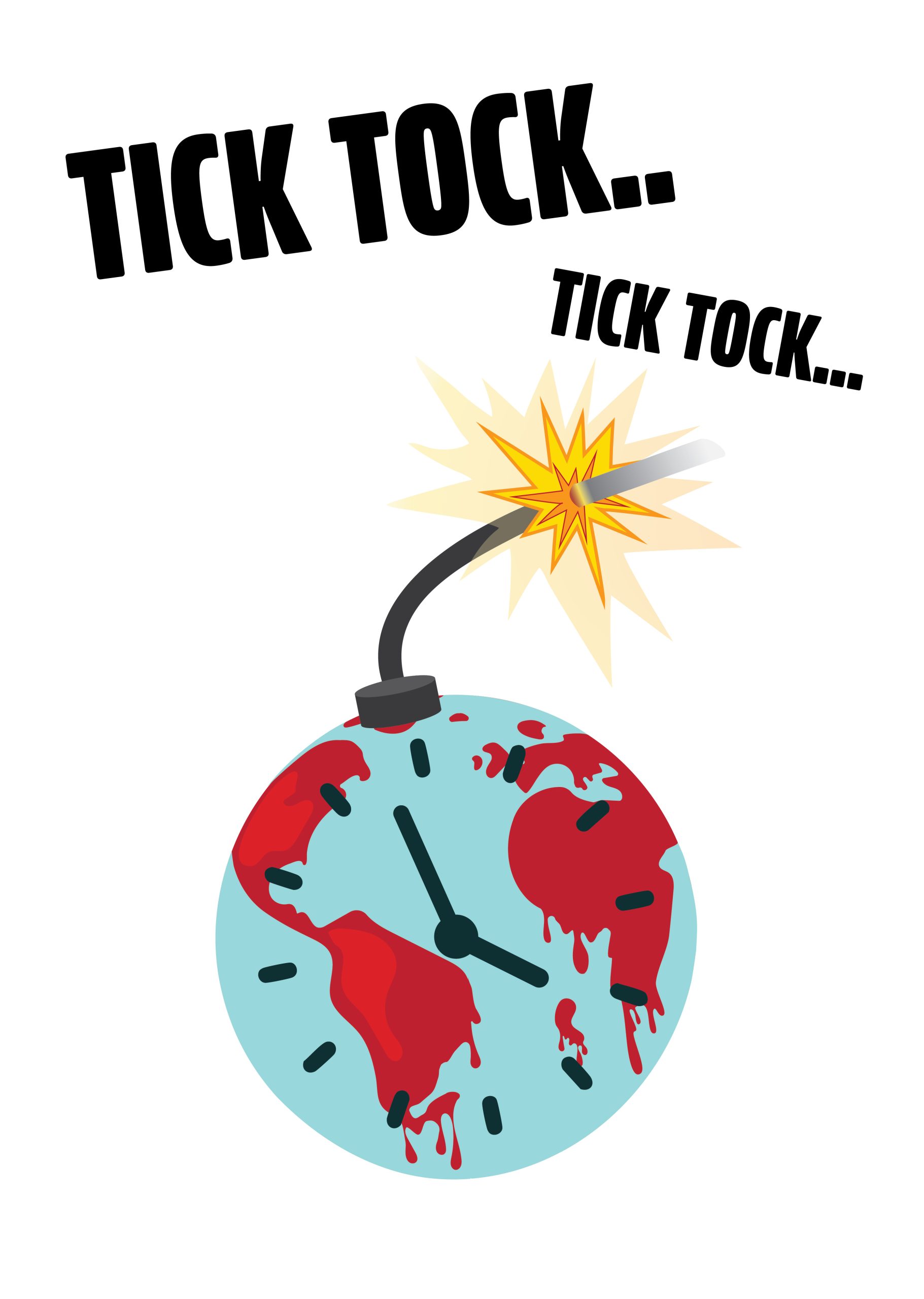
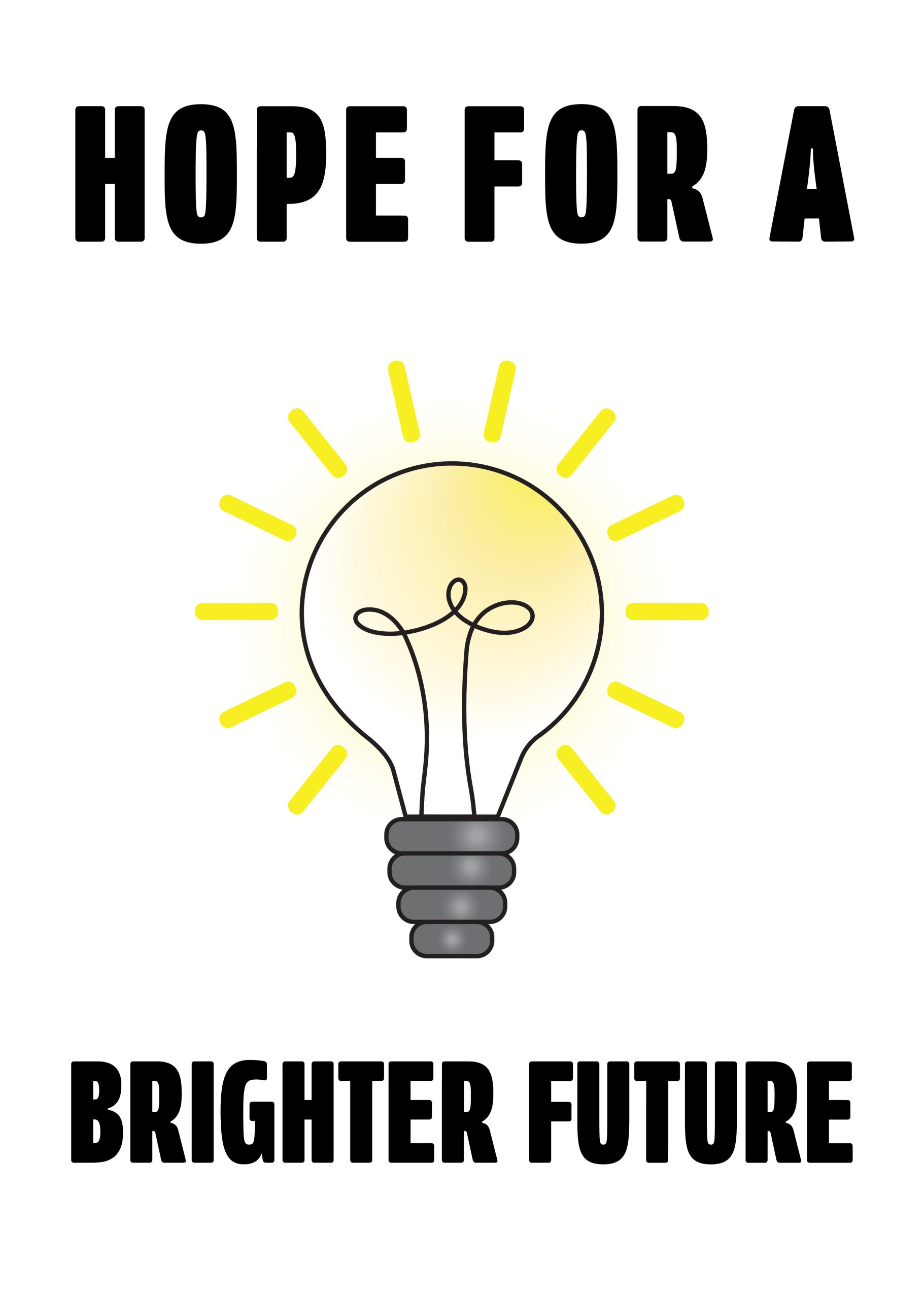
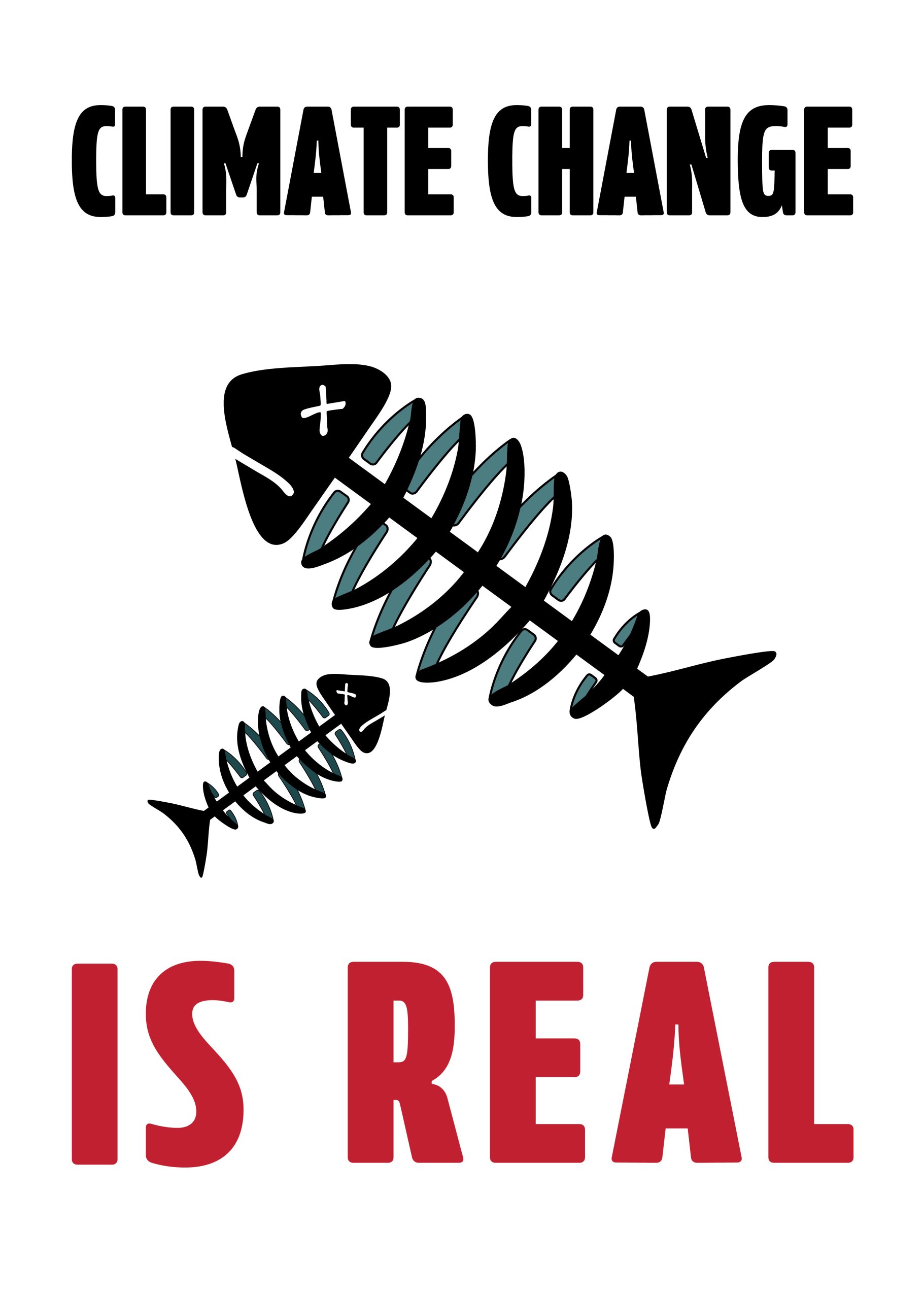
FREE POSTERS TO DOWNLOAD AND SHARE
TO SPREAD AWARENESS

WE ALL PLAY AN IMPORTANT PART IN
TAKING ACTION & MAKING CHANGE
WHAT CAN WE DO AS INDIVIDUALS?
Some small changes we can implement into our day-to-day
lives are:
– Reducing personal energy consumption by switching off lights, unplugging appliances and not leaving devices on stand-by
– Choose sustainable transport such as walking, cyling, using public transport or car pooling
– Improve home energy efficiency, insulate, use a smart meter, install energy efficient windows & solar power
– Reduce water and food waste, reduce plastic usage, recyle, plan meals, conserve water, store food correctly and compost leftovers
– Introduce more plants into our diets & reduce meat & dairy consumption
– Support local & sustanable, buy from farmers markets, support businesses with strong environmental policies, choose products that are repairable & choose organic produce.
– Support climate advocacy groups & initiatives. Share your knowledge with friends and family, help educate & spread the word.
Some small changes we can implement into our day-to-day
lives are:
– Reducing personal energy consumption by switching off lights, unplugging appliances and not leaving devices on stand-by
– Choose sustainable transport such as walking, cyling, using public transport or car pooling
– Improve home energy efficiency, insulate, use a smart meter, install energy efficient windows & solar power
– Reduce water and food waste, reduce plastic usage, recyle, plan meals, conserve water, store food correctly and compost leftovers
– Introduce more plants into our diets & reduce meat & dairy consumption
– Support local & sustanable, buy from farmers markets, support businesses with strong environmental policies, choose products that are repairable & choose organic produce.
– Support climate advocacy groups & initiatives. Share your knowledge with friends and family, help educate & spread the word.
WHAT DOES CHANGE LOOK LIKE?
Reducing the impacts of climate change is not a fast process. Timeframes for recovery span from years to centuries. By taking immediate action on reducing greenhouse gasses, investing on
reforestation & implementing more support and recovery schemes for natural disasters such as floods & wildfires. we could see some short-term improvement within 3-10 years.
Within decades we would start to see repaired and new forest & coastal ecosystems. Full ecosystem recovery will take centuries, due to the severity of damage already caused. Reversal is not possibile,
mitigation is key. If we take action now and reduce greenshouse gasses, will see temperatures begin to drop in 5-20 years. without prompt action we will see the degredation and furture loss of ecosystems. Displaced populations, water insecurity due to droughts, low & more expensive food resources, overpopulated urban
habitats, health problems, frequent & extreme natural disasters.
BECOME A PART OF THE SOLUTION.
Reducing the impacts of climate change is not a fast process. Timeframes for recovery span from years to centuries. By taking immediate action on reducing greenhouse gasses, investing on
reforestation & implementing more support and recovery schemes for natural disasters such as floods & wildfires. we could see some short-term improvement within 3-10 years.
Within decades we would start to see repaired and new forest & coastal ecosystems. Full ecosystem recovery will take centuries, due to the severity of damage already caused. Reversal is not possibile,
mitigation is key. If we take action now and reduce greenshouse gasses, will see temperatures begin to drop in 5-20 years. without prompt action we will see the degredation and furture loss of ecosystems. Displaced populations, water insecurity due to droughts, low & more expensive food resources, overpopulated urban
habitats, health problems, frequent & extreme natural disasters.
BECOME A PART OF THE SOLUTION.